Williams Lake First Nation’s (WLFN) Chimney Fuel Reduction project is an excellent example of multiple organizations working toward a common goal. The project was made possible with funding from FESBC and Natural Resources Canada, driven by WLFN’s desire to better protect their community from wildfires and improve ecosystem health.
Located on the outskirts of Williams Lake, the project area is adjacent to previously treated blocks and included a thin from below selective harvest, where smaller trees were removed to favour the growth of healthier and more dominant ones. To date, WLFN treated 1,400 hectares in the Williams Lake and surrounding area, improving the health and resiliency of the stand, from a wildfire perspective. Working with BC Wildfire Service, they continue to carry out prescribed understory burns to reduce fuel loads and rejuvenate the understory. A new burn plan is in development, with the next cultural burn scheduled to occur in 3-5 years.
Embracing their environmental responsibility and showing a strong commitment to forest stewardship, WLFN is working to ensure that projects minimize their carbon emissions and create forested areas that align with good forest management practices and the Nation’s cultural values. WLFN has used the biomass generated by this project to support local businesses. Minimizing the burning of waste in these projects avoids the release of harmful smoke particulate and greenhouse gases.
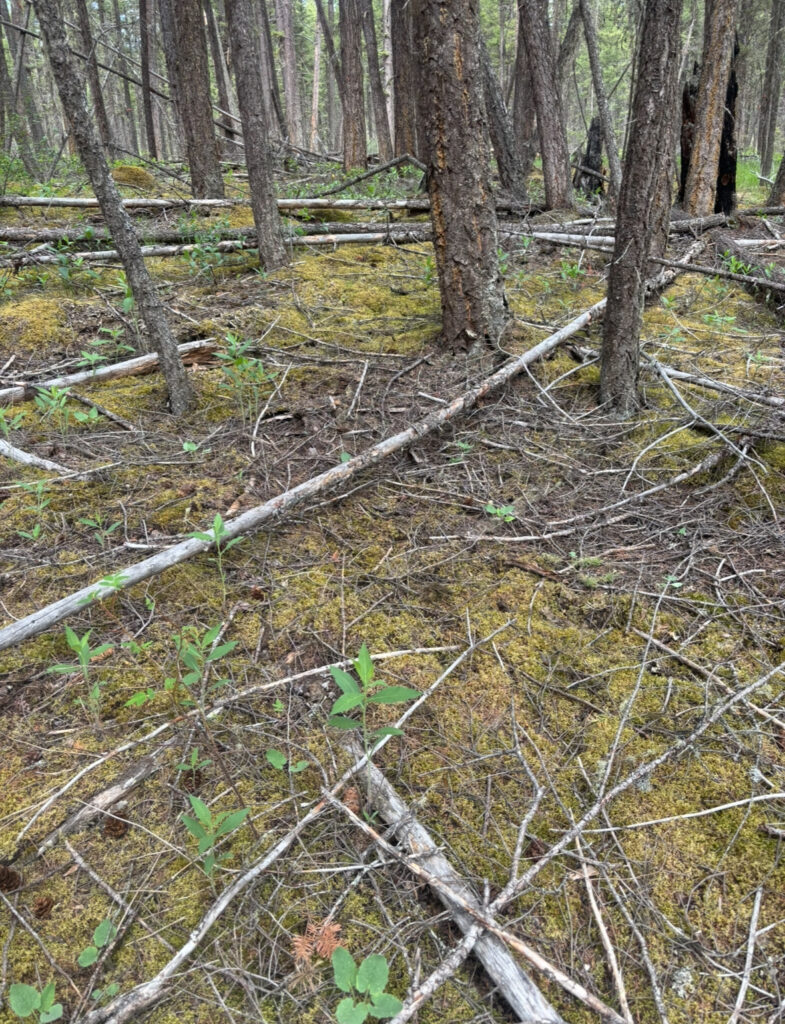 Leave patch where no treatment occurred | Photo Credit: Williams Lake First Nation
The results speak for themselves. WLFN is showing how Indigenous-led wildfire risk reduction treatments can avoid waste to reduce the carbon footprint, support green energy facilities, create forestry jobs and making meaningful contributions to the economy of the Cariboo all while making communities safer from wildfire.
“We are thankful for the support we receive from FESBC. We have greatly improved the safety of our community while contributing to its economy. Being led by First Nations, we have managed for multiple values, such as increasing the abundance of culturally important plants. These treatments have many benefits that will be realized for many years to come,” said John Walker, RPF, Stewardship Forester, Williams Lake First Nation.
To learn more about Indigenous-led projects throughout British Columbia, read the full Special Report released by FESBC, in collaboration with the BC First Nations Forestry Council.